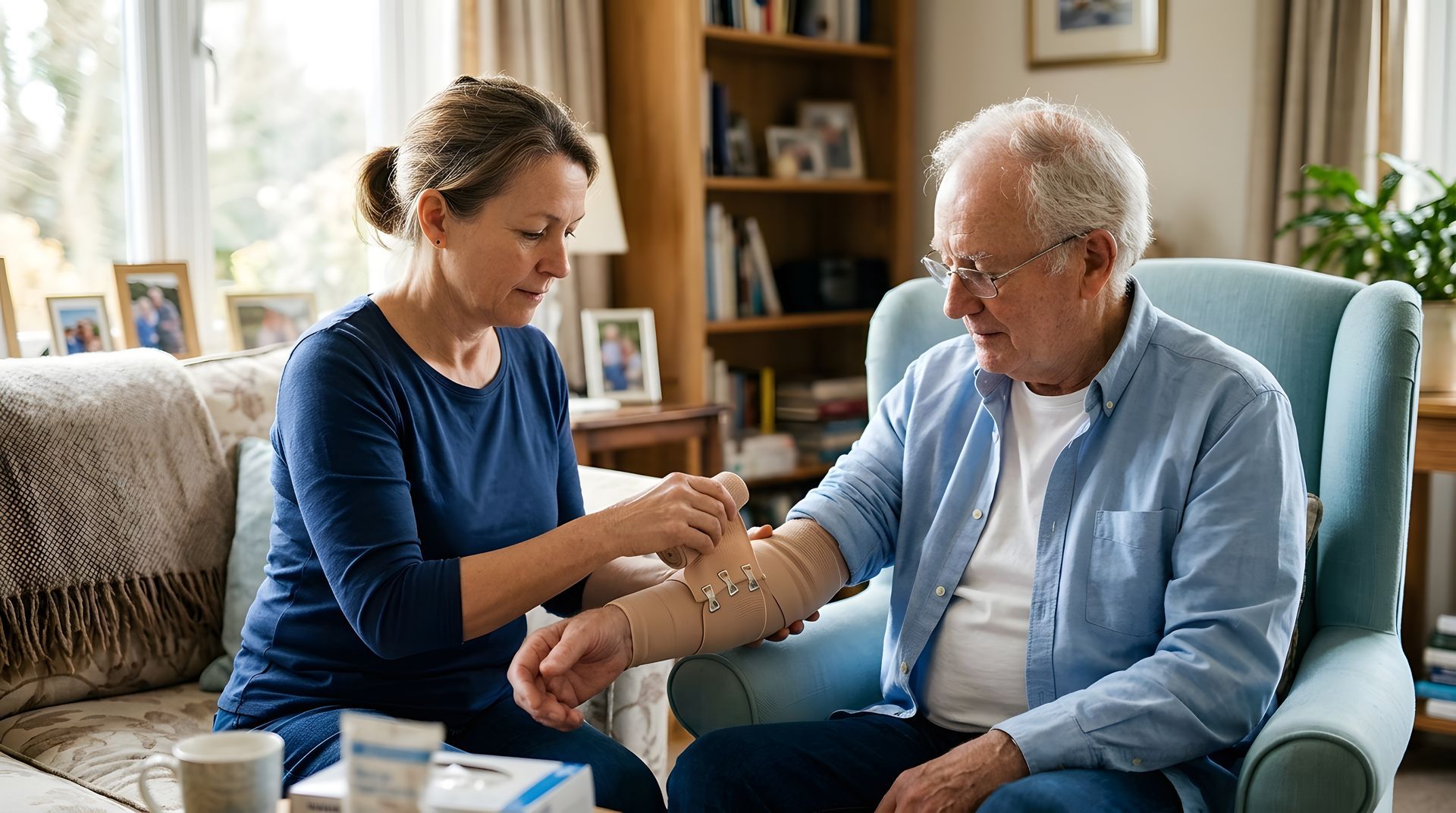
This guide explains when to start home caregiving and how to plan around a hospital discharge in Richmond, VA. Many families wait until the day of discharge to think about care at home. Planning a few days earlier can make the transition smoother for everyone.
The right timing depends on your loved one's health, strength, and support at home. This article walks through questions that can help you decide.
Why Timing Matters After a Hospital Stay
Starting support at the right time can help a loved one settle in safely at home.
After surgery or a medical stay, a person may feel weak or tired. Simple tasks, such as bathing, cooking, or climbing stairs, can become harder. Without help, families may worry about falls, missed medicines, or a return trip to the hospital.
Post-hospital support is designed to help with the transition from the hospital to home and may help lower the risk of readmission.
Recovery often goes more smoothly at home, where a person may feel comfortable and less stressed. Planning early lets your family focus on rest instead of rushing.
Questions to Ask the Discharge Planner
Hospital discharge planners can share useful details about what your loved one may need.
Ask these questions before the discharge date:
▸ What help will my loved one need with moving, bathing, and dressing?
▸ Are there medicines or instructions the caregiver should know about?
▸ Will follow-up visits or therapy be needed?
▸ Are there activities my loved one should avoid for now?
▸ Who should we call if a concern comes up?
Write the answers down and keep them in one place. Share them with the care coordinator when you arrange home caregiving. Do not worry if you cannot answer everything at once. The care coordinator can help fill in the gaps.
Short-Term and Long-Term Support Options
Some families need support for a few weeks, while others need ongoing help.
Short-term support may focus on recovery. A caregiver can help with meals, mobility, and daily routines while your loved one regains strength. Long-term support may fit people with chronic conditions or ongoing needs.
Many plans change over time. A family might start with daily visits after discharge and move to fewer visits as recovery goes well. Flexible schedules can help families adjust without starting over. Ask the care team to review the plan after the first week. That check-in can show whether your loved one needs more hours, fewer hours, or a different mix of services.
How Soon Can Home Caregiving Begin?
Care can often begin shortly after an initial consultation and care assessment.
The exact timing depends on the agency and on your family's needs. A care coordinator reviews health conditions, daily needs, and schedule preferences. Then the team builds a plan and matches a caregiver.
Because timing can vary, families should call as early as possible. If you know the discharge date, share it right away. Early contact gives the agency more time to prepare. Families in Richmond, including those in Henrico and Chesterfield counties, can ask about flexible scheduling from the start.
How to Prepare Your Home for the Return
A few simple changes can make the first day back at home safer and calmer.
Try these steps before discharge:
▸ Clear walkways and remove loose rugs.
▸ Set up a comfortable resting spot near the bathroom if possible.
▸ Stock easy meals and keep everyday items within reach.
▸ Gather medicines and place them in one safe spot.
▸ Post important phone numbers where everyone can see them.
If your loved one uses a cane or walker, make sure it is close by and in good working order. Invite a family member to be at home on the first day. A familiar face can help your loved one feel calm while the caregiver learns the routine.
Signs It May Be Time for Added Support
Some changes show that a loved one could use more help than family can give.
Watch for trouble with hygiene, missed medicines, limited mobility, or difficulty preparing meals. Notice if confusion or forgetfulness increases. Also pay attention to your own energy. Caregiver stress is real, and it is a good reason to ask for help.
Families do not need to wait for a crisis. Starting support early may help prevent problems before they grow. A care assessment can help decide the right level of support. It looks at health conditions, the home setting, and doctor recommendations.
Start Home Caregiving Planning in Richmond
Families in Richmond can plan support before discharge and avoid last-minute stress.
Caremed INC provides home caregiving in Richmond, VA, including post-hospital support after surgery or a medical stay. Call
(804) 674-7130 or
contact our team to request a free consultation. You can also learn about
in-home care services in Richmond and see
Caremed INC on Google.